Back to school season has a way of sneaking up on us, doesn’t it?
One minute you’re enjoying summer, and the next you’re staring at school supply lists, shopping ads, and growing kids who suddenly need new shoes, backpacks, and clothes. Before you know it, you’ve spent hundreds of dollars before the first school bell even rings.
I’m not going to lie, this time of year can get expensive.
In fact, depending on which survey you look at, families are expected to spend somewhere between $500 and $600 per child on back to school shopping this year. Between supplies, clothes, shoes, electronics, and activity fees, it’s easy to feel overwhelmed.
The good news? You don’t have to spend that much.
Over the years, I’ve learned that saving money on back to school shopping isn’t about clipping hundreds of coupons or driving across town chasing every sale. It’s about having a plan before you ever walk into a store.
Whether you’re shopping for one child or several, these are the same strategies I use to stretch our budget without sacrificing what we actually need.
So grab a cup of coffee, friend. Let’s put together a plan that will help you save money, reduce stress, and start the school year feeling prepared instead of overwhelmed.
Start With What You Already Have
If you only remember one tip from this entire guide, let it be this:
Shop your house before you shop the stores.
It sounds simple, but it can save you more money than almost anything else on this list.
Before buying a single notebook or pair of jeans, take a walk through your home.
Look through:
- Last year’s backpacks
- Desk drawers
- Junk drawers
- Craft supplies
- Home office supplies
- Closets and dressers
- Lunch boxes
- Shoe bins
You might be surprised by what you already own.
Maybe there are unopened notebooks from last year, extra folders tucked away in a closet, or glue sticks your kids never used. Perhaps those jeans you bought on clearance in the spring still fit perfectly.
Every item you can reuse is one less item you have to buy.
While you’re sorting, make three piles:
Keep: items you can use again this school year. Sell: things your family has outgrown but still have plenty of life left. Donate: items that no longer work for your family but could help someone else.
This quick inventory doesn’t just save money. It also keeps you from buying duplicates that end up sitting in a drawer all year.
Sell or Swap What You Don’t Need
Once you’ve gathered everything your family no longer needs, consider turning those items into cash for this year’s shopping.
Kids outgrow clothes quickly, and many backpacks, lunch boxes, and even school supplies still have plenty of life left in them.
Some of my favorite places to sell gently used items include:
Here’s a little trick I love.
If you’re selling on Poshmark or Mercari, leave your earnings in your account and use that money for your next purchase. It almost feels like shopping for free.
If selling isn’t your thing, consider organizing a clothing or school supply swap with friends, neighbors, or families from your child’s school.
Everyone brings clothing, backpacks, lunch boxes, or supplies their kids have outgrown, and everyone leaves with things they can actually use.
It’s budget friendly, keeps perfectly good items out of the landfill, and gives everyone a fresh start without spending much, if anything.
Another great option is checking your local Buy Nothing Facebook group. Families are constantly giving away school supplies, clothing, calculators, backpacks, and other items their own children no longer need.
Get Your School Supply List
Now that you know what you already have, it’s time to figure out what you actually need.
Most schools post supply lists on their website weeks before school starts. If you haven’t received one from your child’s teacher yet, check your school district’s website.
You can also use the online school supply list tools from stores like Walmart and Target. Simply search for your child’s school and grade level, and they’ll generate a shopping list that matches your school’s requirements.
Having the official list in hand helps prevent buying unnecessary items and makes sticking to your budget much easier.
Set a Budget Before You Shop
One of the easiest ways to overspend is walking into a store without a spending limit.
Instead, decide how much you’re comfortable spending before you ever leave the house.
That budget should include more than just school supplies.
Think about everything you’ll need, including:
- School supplies
- Clothing
- Shoes
- Backpack
- Lunch box
- Water bottle
- Electronics or calculators
- Sports or activity fees
- Haircuts
Seeing everything together gives you a realistic picture of what you’ll spend and helps you decide where you can save.
If you use cash envelopes or sinking funds in your budget, this is a perfect category to plan for throughout the year.
Even setting aside a small amount each month can make August feel much less stressful.
Let Your Kids Help Make Decisions
If your children are old enough, involve them in the budgeting process.
Give them a set amount for clothing or school supplies and let them decide how they want to spend it.
Maybe they’d rather have one nicer backpack instead of several trendy accessories.
Maybe they’d rather save money on clothes so they can buy a pair of shoes they’ve really been wanting.
Giving kids a budget teaches valuable money skills while helping them understand that every purchase involves making choices.
It’s a lesson that will serve them long after back to school season is over.
Sign Up for Rewards Before You Shop
This is one of those simple steps that only takes a few minutes but can save quite a bit of money.
Before you start shopping, sign up for the free rewards programs at the stores you visit most often.
Many retailers offer exclusive coupons, birthday rewards, member only sales, or discounts just for signing up.
Some of my favorites include:
- Target Circle
- Kohl’s Rewards
- Old Navy Rewards
- Children’s Place Rewards
- Michaels Rewards
- Staples Rewards
You may also want to sign up for email or text alerts from your favorite stores during back to school season.
While I don’t usually recommend filling your inbox with promotional emails all year, this is one time when those alerts can help you catch limited time sales, bonus rewards, and coupons that can save you money.
Once school shopping is over, you can always unsubscribe if you no longer want the emails.
Research Prices Before You Buy
Just because something has a bright yellow sale tag doesn’t mean it’s actually the best deal.
A box of crayons might be $1.50 at one store while another retailer has the exact same box for $1.
Those little differences add up quickly when you’re shopping for multiple children.
One of my favorite resources every year is The Krazy Coupon Lady’s school supply stock up price list. They publish a guide showing what counts as a great price on common school supplies, making it much easier to recognize a genuine bargain.
I also recommend downloading the free Flipp app.
Instead of digging through newspaper ads, you can browse weekly circulars from dozens of stores right on your phone and compare prices before heading out.
One thing to keep in mind is that store policies change.
Walmart no longer price matches competitors, although they may match certain prices from Walmart.com. Stores like Target and Staples still offer price matching in many situations, so it’s worth checking each store’s current policy before shopping.
Spending ten minutes comparing prices before your trip can easily save you twenty, thirty, or even fifty dollars.
Shop Smart: Thrift, Consignment, and Discount Stores

You don’t have to buy everything brand new to send your kids back to school looking and feeling their best.
In fact, some of my favorite back to school finds have come from thrift stores and consignment shops.
Many thrift stores carry clothing that was only worn a handful of times, and it’s not unusual to find items that still have the original tags attached.
If you’re shopping at Goodwill, ask about their color tag sales. Most locations rotate discounts throughout the week, and you might score an extra 50% off already low prices.
Don’t forget about children’s consignment stores like Kid to Kid or Once Upon a Child. They often have seasonal sales where you can save even more on clothing, shoes, backpacks, and outerwear.
Don’t Overlook Discount Stores
Stores like Dollar Tree, Five Below, Dollar General, and Family Dollar can also help stretch your budget, but remember to compare prices.
I’ve found amazing deals on folders, glue sticks, notebooks, and classroom supplies at Dollar Tree. On the other hand, I’ve also found items that were actually lower priced at Walmart’s everyday price.
The lesson? Don’t assume the dollar store is always the lowest priced option. A quick comparison can save you even more.
Consider Outlet Stores
If you live near an outlet mall, it’s worth making a stop before paying full price at traditional retail stores.
Many outlet stores carry overstock items or merchandise made specifically for outlet locations, often at significantly lower prices than regular retail.
Stores like Carter’s, OshKosh B’gosh, Gap Factory, Nike Factory Store, and Under Armour Outlet frequently offer excellent back to school sales.
Build a Smaller Wardrobe That Works Harder
One of the biggest mistakes many of us make is thinking our kids need an entirely new wardrobe before school starts.
The truth is, they don’t.
Instead of buying dozens of outfits they’ll only wear once or twice, focus on building a small collection of basics that mix and match easily.
A few neutral shirts, several pairs of jeans or leggings, and a couple of hoodies can create weeks’ worth of outfit combinations.
Not only does this save money, but it also makes getting ready in the morning much easier.
Shop Clearance All Year Long
If you’ve followed me for very long, you know I’m a huge fan of clearance shopping.
One of the best ways to save money on back to school shopping is to stop thinking of it as something you only do in July or August.
Shop all year long instead.
When summer clothes go on clearance in September, buy a size up for next year.
When winter coats are marked down in February or March, grab next year’s size if the price is right.
The same goes for school supplies. By late August and September, many stores begin marking down notebooks, folders, pencils, and backpacks to make room for seasonal merchandise.
If you have the space to store them, stock up for next year while prices are at their lowest.
Create a School Supply Bin
Here’s one tip that has saved me more than once.
Instead of giving your kids every notebook, pencil, and folder you purchased at the beginning of the year, set aside a few extras in a dedicated school supply bin.
Throughout the school year, someone is going to lose a glue stick, run out of notebook paper, or need another folder for a new class.
Instead of making an emergency trip to the store and paying full price, you’ll already have what you need waiting at home.
It’s a simple habit that can save both money and frustration.
Buy Generic When It Makes Sense
Not every school supply needs to have a popular brand name.
For items like notebooks, folders, binders, loose leaf paper, pencils, and index cards, store brands often perform just as well as the name brands for a fraction of the cost.
Save the brand names for products where quality really matters, and go generic everywhere else.
Save Even More Shopping Online
If you’re doing any shopping online, don’t leave money on the table. There are several free tools that I use regularly to help find lower prices, apply coupons automatically, and earn cash back.
Rakuten. Rakuten is one of my favorite cash back websites. Simply sign up for a free account, click through Rakuten to your favorite retailer, and shop like you normally would. Many popular back to school stores, including Old Navy, Carter’s, Kohl’s, Macy’s, and Gap, regularly offer cash back. Every little bit adds up, especially if you’re buying clothes for multiple kids.
Capital One Shopping. Capital One Shopping is a free browser extension that automatically searches for coupon codes and compares prices across multiple retailers. Sometimes it even finds the exact same item for less somewhere else. It’s one of those tools you install once and let it do the work for you.
CamelCamelCamel. If you’re shopping on Amazon, CamelCamelCamel is worth bookmarking. Instead of assuming every Amazon deal is actually a deal, you can check the price history to see whether the item has really dropped in price or if it’s simply being advertised as a sale.
Discounted gift cards. One of the most overlooked ways to save money is buying discounted gift cards before you shop. Websites like CardCash and Gift Card Granny often sell gift cards below face value. For example, if you purchase a $100 gift card for $90, you’ve already saved 10% before you even start shopping. Stack that savings with a sale, a coupon, and cash back, and your savings really begin to multiply.
Warehouse Clubs Can Save You Money Too
If you’re already a Costco or Sam’s Club member, don’t forget to compare prices there as well.
Warehouse clubs can be great places to stock up on items you’ll use throughout the entire school year, things like granola bars, juice boxes, fruit snacks, snack bags, water bottles, printer paper, batteries, disinfecting wipes, and hand sanitizer.
Buying in bulk isn’t always the lowest priced option, but for products your family uses regularly, it can lower your cost over time.
Don’t Forget About Technology
Many middle school, high school, and college students need more than notebooks these days.
If you’re buying a laptop, printer, headphones, graphing calculator, or other electronics, take the time to compare prices. Amazon isn’t always the lowest priced option.
I usually compare prices at Best Buy, Walmart, Costco, Sam’s Club, Staples, and Office Depot.
Back to school sales often include excellent deals on electronics, especially if you shop during tax free weekends.
Take Advantage of Tax Free Weekends
If your state offers a tax free weekend, it can be one of the easiest ways to save money on larger purchases.
Many states waive sales tax on qualifying school supplies, clothing, shoes, backpacks, and even computers during a designated period before school starts.
Every state has different rules, spending limits, and eligible items, so be sure to check your state’s Department of Revenue website before shopping.
If you’re planning to purchase an expensive item like a laptop, timing your purchase around your state’s tax holiday could save you a nice chunk of money.
Get Cash Back After You Shop
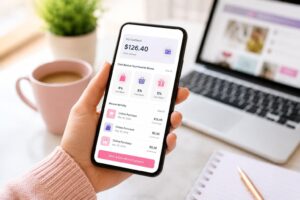
Don’t throw those receipts away just yet.
Even after you’ve finished shopping, there are still ways to earn a little money back on purchases you’ve already made. Over the course of a school year, those small rewards can really add up.
Some of my favorite receipt and cash back apps include:
Fetch Rewards. Fetch Rewards is one of the easiest receipt apps to use. Simply snap a picture of your receipt, and you’ll earn points that can be redeemed for gift cards. You don’t have to activate offers ahead of time, making it perfect if you tend to forget those extra steps. I’ve written a full review of Fetch Rewards if you’d like to learn how it works and whether it’s worth downloading.
Ibotta. Ibotta is another one of my favorites. While it’s best known for grocery savings, you’ll often find offers on school supplies, snacks, lunch items, and household products during back to school season. Just activate the offers before you shop, upload your receipt, and earn cash back.
Receipt Hog and ReceiptPal. These apps reward you simply for uploading receipts from many retailers. You’re already making purchases, so why not earn a little something extra for taking a picture of the receipt before tossing it?
Don’t Forget Your Credit Card Rewards
If you pay your credit card balance in full every month, consider using a rewards card for your back to school purchases.
Cash back, travel rewards, or points can add another layer of savings on purchases you were already planning to make.
The key is only to charge what you can comfortably pay off when the bill arrives.
Think Beyond School Supplies
When most people think about back to school expenses, they picture notebooks, pencils, and backpacks.
But one of the biggest costs throughout the school year is actually lunch.
Packing lunches instead of buying them every day can save hundreds of dollars over the course of a school year. Even packing lunch just a few days each week can make a noticeable difference in your grocery budget.
If you know mornings tend to be hectic, try these ideas:
- Prep lunches the night before.
- Portion snacks into reusable containers.
- Buy pantry staples when they’re on sale.
- Freeze sandwiches or homemade muffins ahead of time.
- Keep a running list of easy lunch ideas on your refrigerator.
A little planning goes a long way.
Invest in Quality Where It Matters
I know this is a guide about saving money, but sometimes spending a little more upfront actually saves money in the long run.
Backpacks, lunch boxes, and water bottles get used almost every day. If you buy the lowest priced backpack you can find and the zipper breaks by October, you’ll probably end up buying another one before the school year is over.
Instead, read reviews and choose products that are built to last. Then save your bargain hunting for things like notebooks, folders, pencils, and crayons that don’t need to survive daily wear and tear.
Support Your Child’s Classroom
Many teachers spend hundreds of dollars of their own money on classroom supplies each year.
If you’re able to, consider picking up an extra box of tissues, disinfecting wipes, dry erase markers, or pencils while you’re shopping.
Some teachers also create Amazon wish lists before school starts. If you’re looking for an easy way to support your child’s classroom, purchasing one or two items from their list can make a huge difference.
On the other hand, if money is tight, don’t hesitate to ask your child’s teacher which supplies are truly required right away and which items can wait until later in the year. Teachers understand that every family’s situation is different.
If Money Is Tight Right Now
If you’re looking at your shopping list and wondering how you’re going to make everything fit into your budget, I want you to know you’re not alone.
Back to school shopping can be expensive, especially if you have multiple children. The good news is there are resources available. Check with your child’s school, your school district, local churches, community centers, food pantries, your local library, United Way, and Buy Nothing Facebook groups.
Many communities organize backpack giveaways, free school supply events, clothing closets, and shoe drives before school starts. These programs exist to help families exactly like yours.
Don’t ever feel embarrassed about accepting help if you need it. We all need a little help sometimes.
Common Back to School Shopping Mistakes to Avoid
Even the best budget can get off track if you’re not careful. Here are a few of the biggest mistakes I see families make every year.
Buying everything at one store. It might be convenient, but it isn’t always the lowest priced option. You don’t have to visit ten different stores, but comparing prices at two or three retailers can save quite a bit.
Shopping without a list. Walking into a store without a plan almost always leads to impulse purchases. Stick to your child’s school supply list and your budget whenever possible.
Waiting until the last minute. The closer it gets to the first day of school, the fewer choices you’ll have. Popular backpacks, lunch boxes, shoes, and electronics often sell out quickly. Shopping early gives you more options and more time to compare prices.
Buying everything brand new. Remember, gently used items are often just as good as new. Don’t overlook thrift stores, consignment shops, or clothing swaps.
Ignoring clearance throughout the year. One of the biggest money saving secrets isn’t actually shopping during back to school season. It’s shopping after back to school season. When notebooks, backpacks, and school supplies hit clearance in late August and September, stock up for next year if you have room to store them. Your future self will thank you.
Forgetting to use cash back apps. It only takes a few seconds to upload a receipt. Those small rewards may not seem like much at first, but over the course of the year they can add up to free gift cards, extra grocery money, or even help pay for next year’s school supplies.
Frequently Asked Questions
How much should I spend on back to school shopping? There’s no one size fits all answer. It depends on your child’s age, how many children you’re shopping for, and what you already have at home. Recent surveys estimate that many families will spend between $500 and $600 per child, but don’t let that number scare you. By shopping your home first, buying clearance throughout the year, using cash back apps, and sticking to a budget, you can spend much less.
When should I start back to school shopping? The best time to start is before you actually need anything. I know that sounds funny, but shopping throughout the year is one of the easiest ways to save money. When you find a great clearance deal on school supplies, clothes, shoes, or backpacks, buy them then and put them away for next year. If you’re starting from scratch, begin watching sales in early July. You’ll have the best selection and plenty of time to compare prices before the last minute rush.
What school supplies should I buy? Start with your child’s official school supply list. Before buying anything, check what you already have at home. You may already own notebooks, pencils, folders, crayons, scissors, rulers, or backpacks that can be used again. Then buy only what’s actually needed.
Is it cheaper to buy school supplies online or in stores? It depends. Sometimes online retailers have better prices, especially if you’re using cash back websites, coupon extensions, or discounted gift cards. Other times, local stores run loss leader sales on popular school supplies that are hard to beat. I usually compare prices before making larger purchases instead of assuming one store always has the best deal.
What are the best cash back apps for back to school shopping? Some of my favorites include Fetch Rewards, Rakuten, Ibotta, and Capital One Shopping. Each one works a little differently, and I have detailed reviews on my website to help you decide which ones are worth using.
How can I save money on back to school clothes? One of my favorite tricks is to avoid buying an entire wardrobe at once. Purchase just enough clothing to get your child through the first few weeks of school, then watch for Labor Day sales, end of season clearance, and holiday promotions. You can also save a lot by shopping thrift stores, consignment shops, outlet stores, and clearance racks throughout the year.
Final Thoughts

Back to school shopping doesn’t have to leave you feeling stressed or wondering where all your money went. A little planning before you shop can make a huge difference.
Take inventory of what you already own. Set a budget before you head to the store. Compare prices. Use cash back apps and rewards programs. Shop clearance whenever you can.
And remember, your child doesn’t need the most expensive backpack or every trendy school supply to have a successful school year. The memories they’ll make in the classroom matter so much more than the brand of notebook they’re carrying.
I hope these tips help you save money and take a little of the stress out of back to school season. If you have a favorite money saving tip that I didn’t mention, I’d love to hear it! Leave a comment below and share your best back to school shopping hack. Your idea might help another family save money too.
Wishing you and your family a wonderful school year!
More Ways to Save Money
If you’re looking for even more ways to stretch your budget, here are a few posts you might enjoy next:
- How to Save Money on Kids’ Sports Equipment This Season: My best tips for gearing up your kid for the season without spending a fortune.
- Fetch Rewards Review: Learn how I earn free gift cards just by scanning my receipts.
- Best Cash Back Apps: My favorite apps for earning money back on everyday purchases. (coming soon)
- Capital One Shopping Review: See how this free browser extension automatically finds coupons and compares prices.(coming soon)
- Rakuten Review: One of the easiest ways to earn cash back when shopping online.(coming soon)